
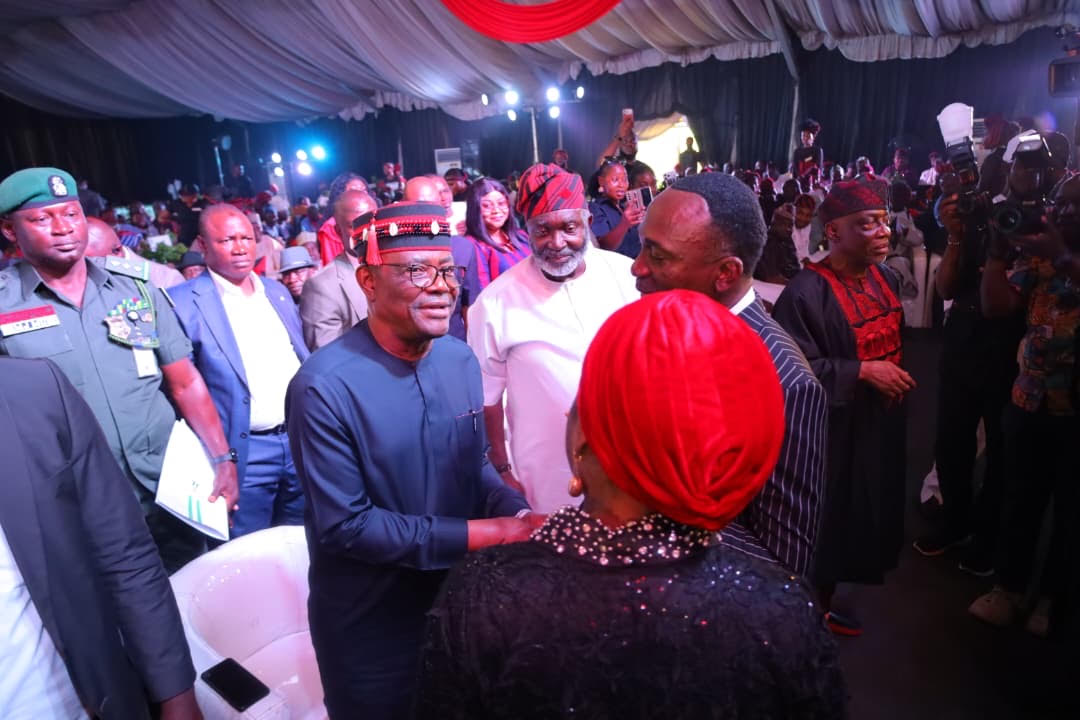
Nyesom Wike stresses inclusive governance and accountable leadership over ethnic power rotation for 2027.
As preparations ramp up for the upcoming general elections, Federal Capital Territory Minister Nyesom Wike has issued a strong warning to the Nigerian electorate regarding the true nature of political representation.
Speaking on Thursday in Abuja at the inaugural Idoma Hall of Fame induction ceremony, the senior official cautioned that simply changing the ethnic or regional group controlling political power will not resolve systemic marginalisation across the country.
The high-profile event, organised in collaboration with Och'Idoma as part of the Idoma Centenary Plus celebration, served as a platform for Wike to urge voters to reject political opportunism, according to information published by The Sun Nigeria.
Rejecting Political Gamblers and Opportunists
Delivering a keynote address titled People, Politics and Power Play in Nigeria, the FCT minister warned citizens to be wary of politicians who exploit local grievances strictly to advance their own personal political ambitions.
He questioned the genuine commitment of political actors who ignore disadvantaged communities while in office, only to visit internally displaced persons camps to celebrate birthdays when seeking the presidency.
Voters must carefully examine the past performance, motives, and real records of individuals seeking public office, ensuring that the quest for equity does not simply become a contest over public resource control.
Redefining Marginalisation and National Equity
Wike argued that genuine advocacy for fairness must remain consistent, rather than depending on whether an individual's specific ethnic group or political allies currently hold power positions.
He pointed out that complaining about exclusion only when one's own community suffers, while remaining silent during the marginalisation of others, reflects a desire for privilege rather than true justice.
Public office must be treated as a public trust rather than an entitlement, while the federal character principle should balance representational expectations with proven administrative competence.
Measuring Inclusion Through Tangible Benefits
According to the minister, true political inclusion cannot be measured merely by the appointment of prominent political figures from specific communities if local residents still face severe economic hardship.
Tangible indicators of effective governance must include accessible jobs, quality education, reliable healthcare, modern infrastructure, electricity, physical security, and broader economic opportunities.
Leaders must avoid a zero-sum political approach, working instead to build strong public institutions that serve all citizens fairly regardless of their specific regional or ethnic backgrounds.
Frequently Asked Questions
What did Nyesom Wike say about power shift in 2027?
Nyesom Wike warned that changing the ethnic or regional group controlling political power will not end marginalisation unless governance becomes more inclusive and accountable to citizens.
Where did Nyesom Wike deliver his keynote address?
The FCT minister spoke in Abuja at the inaugural Idoma Hall of Fame induction ceremony, which was organised alongside the Och'Idoma for the Idoma Centenary Plus celebration.
How should political leaders be assessed according to Wike?
Wike stated that political leaders should be assessed by their tangible impact on citizens, including access to jobs, education, healthcare, infrastructure, and security rather than their ethnic identity.
