
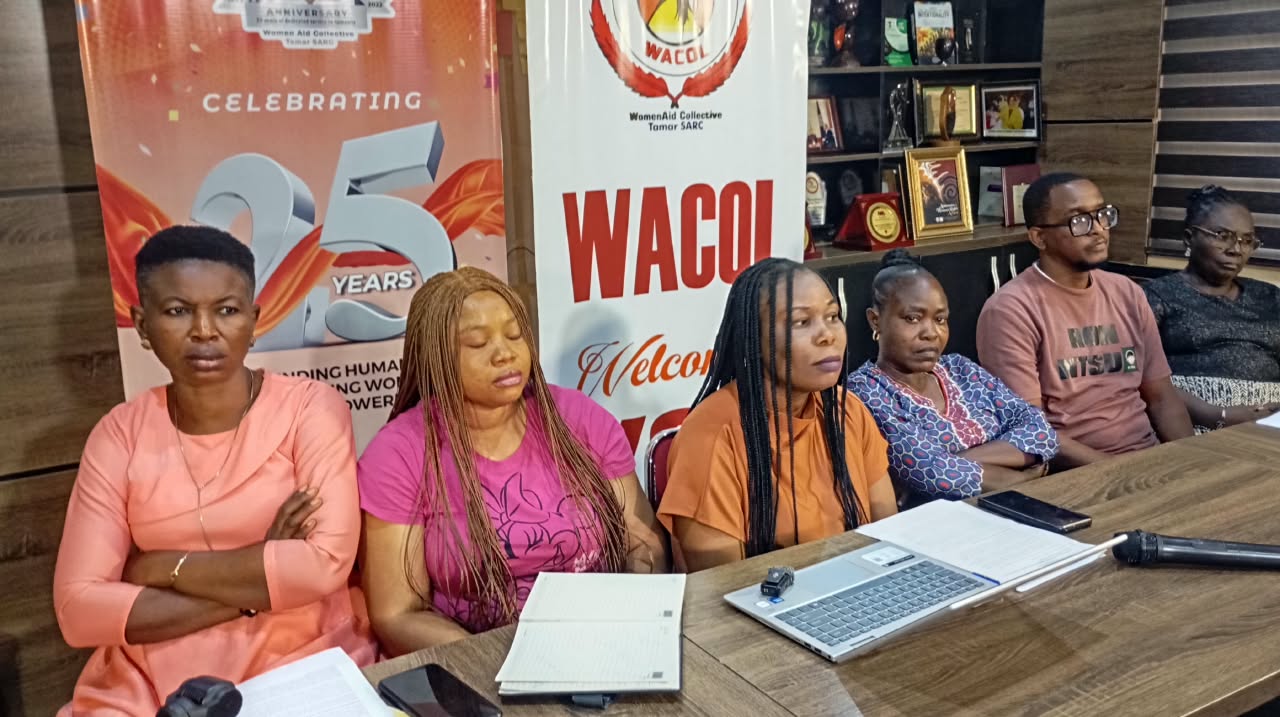
Rights group urges leaders to stop women disinheritance, citing severe poverty risks.
The Women Aid Collective has urged Nigerian authorities, traditional rulers, and law enforcement agencies to take urgent steps to end discriminatory property practices against women, according to information published by The Sun Nigeria.
Prof. Joy Ngozi Ezeilo, SAN, the founding executive director of the organisation, made the critical appeal during a press conference held in Enugu to mark Nigeria's 66th Independence anniversary.
She warned that cultural barriers continue to expose vulnerable women and girls to extreme poverty, homelessness, and gender-based violence, creating a severe gap between legal statutes and actual enforcement.
The Legal Disconnect in Women Property Rights
Despite landmark Supreme Court judgments that outlaw discriminatory customs, such illegal practices remain widespread across grassroots communities. Prof. Joy Ngozi Ezeilo explained that this situation highlights a profound disconnect between the law in the books and the law in action.
Land remains a critical economic asset for wealth creation, but local customs often deny women access to farms and economic trees. This systemic exclusion strips them of basic productive means, pushing dependent children into destitution.
Thousands of Disinheritance Cases Documented
The organisation has officially documented more than 3,000 cases of women being unlawfully disinherited, including over 120 disturbing incidents recorded in 2026 alone. These violations range from widows facing forceful eviction to daughters barred from inheriting ancestral estates.
Specific victims include Mrs Ekwutosi Ezeonyekwere in Anambra State, who was locked out of shops, and Mrs Nebo in Enugu State, whose stepson locked her out and seized an ATM card before a court intervened.
Constitutional Protections Versus Local Customs
Section 42(1) of the 1999 Constitution explicitly prohibits discrimination based on sex, while top court rulings like Ukeje v. Ukeje reject biased customs. However, these national legal protections have still failed to translate into compliance at the local community level.
Prof. Joy Ngozi Ezeilo called for a comprehensive national law on inheritance rights while urging traditional leaders to actively prosecute offenders, ensuring that women enjoy equal protection as full citizens of Nigeria.
Frequently Asked Questions
What is the Women Aid Collective advocating for in Nigeria?
The Women Aid Collective is calling on governments, traditional rulers, and law enforcement agencies to end discriminatory customs that result in the disinheritance of Nigerian women and girls.
Why are women property rights a major issue in the Southeast?
The Southeast region is particularly affected by discriminatory inheritance practices, which leave widows and daughters economically vulnerable, homeless, and exposed to extreme poverty.
What legal protections exist against gender discrimination in Nigeria?
Section 42(1) of the 1999 Constitution prohibits sex discrimination, and Supreme Court rulings such as Ukeje v. Ukeje have outlawed discriminatory customary practices regarding property.
How many disinheritance cases has WACOL documented?
Prof. Joy Ngozi Ezeilo disclosed that the organisation has documented more than 3,000 cases of women being disinherited, which includes over 120 new cases recorded in 2026 alone.
