
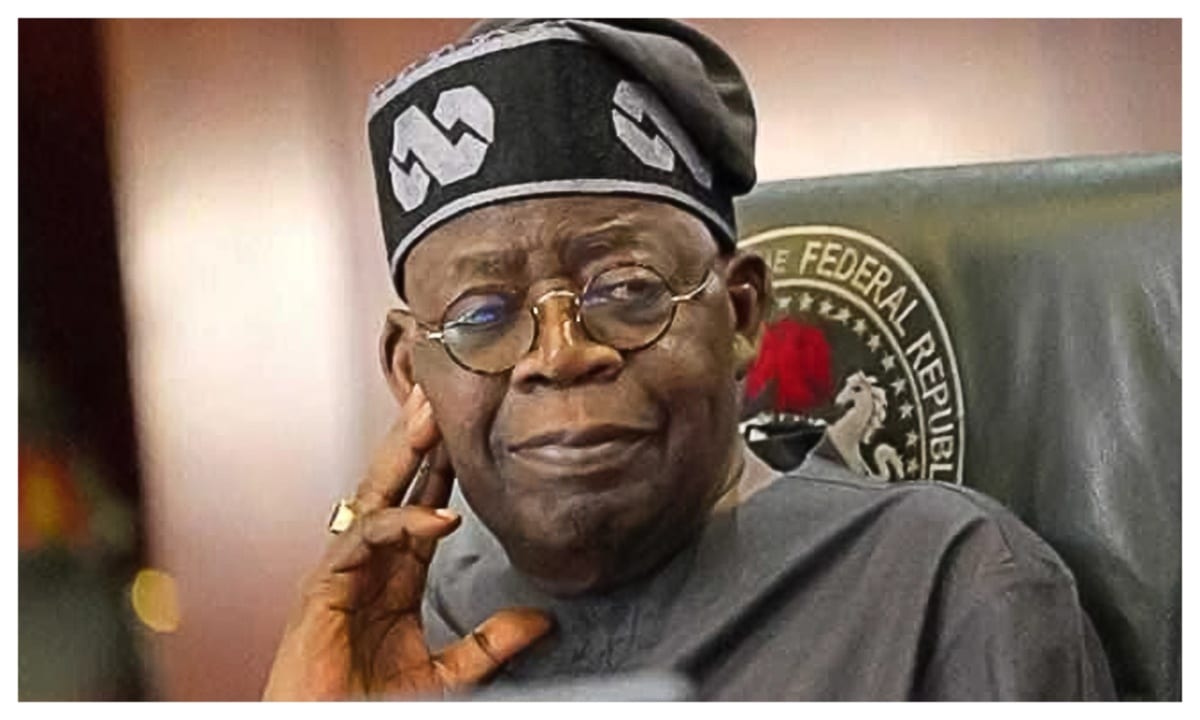
The ruling party acknowledges ongoing power sector challenges ahead of the 2027 polls.
The ruling All Progressives Congress (APC) Presidential Campaign Council has officially admitted that Nigeria, under President Bola Tinubu, has not yet resolved the persistent electricity crisis affecting the country, noting that structural reforms remain ongoing.
Speaking on Sunday, APC spokesperson Dele Alake addressed the administration, defending its record on power generation and distribution ahead of the upcoming 2027 general election, according to information published by The Sun Nigeria.
The admission follows intense scrutiny over campaign promises made by Tinubu during the 2023 presidential race, where he pledged to end estimated billing and ensure stable power supply across major cities, challenging voters to hold him accountable.
Power Sector Reforms and the Electricity Act 2023
Defending the presidential record, Alake emphasized that fixing the electricity market requires time due to longstanding legacy challenges inherited from past administrations between 2015 and 2025, which accumulated over six trillion naira in debts.
As part of structural interventions, President Tinubu signed the Electricity Act, 2023 on June 9, just weeks after taking office, successfully liberalizing the power sector and permitting state governments to participate directly in generation and distribution.
According to the campaign council, seven states including Lagos, Enugu, Abia, Ekiti, Oyo, Kaduna, and Niger have established their own regulatory agencies to attract private investment and boost local power supply.
Tackling Legacy Debts and Metering Deficits
To alleviate commercial pressures, the federal government established a four trillion naira bond program to settle verified debts owed to twenty-one electricity generation companies and gas suppliers, raising over 1.2 trillion naira in initial tranches.
Addressing chronic metering issues, the administration introduced the Presidential Metering Initiative to tackle a deficit of over seven million unmetered customers, successfully installing more than 1.5 million meters over the last three years.
Furthermore, tariff reforms incorporating service-based bands were deployed to enhance the financial viability of distribution companies, lower government subsidy burdens, and balance affordability for low-income households with production costs.
Grid Upgrades and Transmission Infrastructure
On transmission infrastructure, the administration reviewed the inherited Presidential Power Initiative and signed an acceleration agreement with German partners in December 2023 to modernize the national grid network.
The Federal Executive Council subsequently approved contracts to upgrade five Transmission Company of Nigeria substations in late 2024, with projects nearing completion ahead of the conclusion of Tinubu's first term in office.
Additional projects approved in June 2026 involve constructing eight new substations, upgrading four existing ones, modernizing the sixty-year-old Osogbo Grid Control Centre, and building a new East-West super grid.
Frequently Asked Questions
Did the APC admit that Tinubu failed to fix the electricity crisis?
Yes, the APC Presidential Campaign Council admitted that fixing the power sector is ongoing work, noting that structural and commercial challenges remain unresolved despite various administration reforms.
What is the Electricity Act 2023 in Nigeria?
Signed by President Bola Tinubu in June 2023, the Act liberalizes the power sector and allows state governments to participate in electricity generation, transmission, and distribution.
How many states have taken advantage of the Electricity Act?
Seven states, namely Lagos, Enugu, Abia, Ekiti, Oyo, Kaduna, and Niger, have established their own electricity regulatory agencies and attracted private investments.
What is the Presidential Metering Initiative?
It is a government program introduced to close a deficit of over seven million meters, having successfully provided meters to more than 1.5 million electricity customers.
