
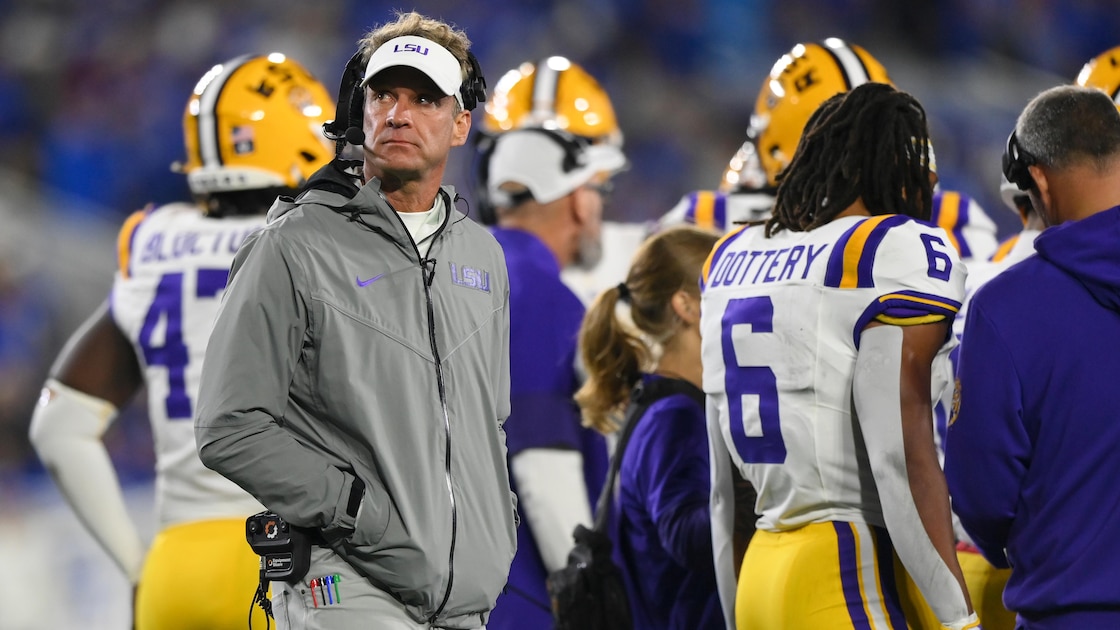
The Southeastern Conference claims its legal dispute with LSU remains unresolved due to professionalism rule violations.
The Southeastern Conference filed a new memorandum in a U.S. District Court in Alabama on Tuesday, asserting that its ongoing legal dispute with Louisiana State University is far from resolved. The filing points to a complete lack of institutional control in Baton Rouge, according to information published by bleache.
This latest legal maneuver comes in response to a motion to dismiss filed by Louisiana Attorney General Liz Murrill. The core of the conflict stems from past efforts by the Tigers to field football players who previously signed contracts or participated in tryouts with National Football League clubs.
The conference argues that LSU continues to display defiance regarding established Professionalism Rules. Furthermore, the SEC warned of a very real threat that university defendants will interfere with any potential proceedings to terminate LSU from the athletic conference.
SEC Cites Basketball Roster Concerns
While the football roster dispute initially triggered the lawsuit, current attention has shifted toward the men's basketball program. Head coach Will Wade has actively recruited RJ Luis, a player who spent part of the 2025 NBA offseason with the Utah Jazz and Boston Celtics.
The SEC noted in its filing that LSU allowed Luis to practice with the team and has refused to state publicly whether he will make the final roster. Official rosters are due on November 3, just one day prior to the team's opening regular-season game.
The memorandum also highlights the recruitment of international professional players whose eligibility remains under scrutiny. Coach Wade defended the strategy publicly, stating that the program is unapologetic about the path it has charted for the upcoming season.
Legal Origins and Conference Rules
The original dispute began when former Mississippi players Dae'Quan Wright and Zxavian Harris arrived in Baton Rouge after NFL releases. Those athletes initially joined a lawsuit against the NCAA seeking an extra year of athletic eligibility under newly adopted rules.
Despite various state court injunctions allowing athletes to return to college teams, SEC regulations strictly forbid programs from rostering players associated with NFL, NBA, or WNBA teams. The rules also apply to athletes who entered professional drafts without properly withdrawing.
Under current SEC policies, member institutions possess the authority to oust a conference member if two-thirds of leadership vote in favor. Although no such vote has occurred yet, the league explicitly stated it reserves that right if deemed necessary.
Response From State Officials
Louisiana Attorney General Liz Murrill swiftly criticized the league's latest arguments through social media channels. Murrill stated that the federal court filing proves SEC Commissioner Greg Sankey never acted in good faith during the dispute.
Murrill maintained that LSU broke no rules and declared the ongoing lawsuit completely moot. She reiterated her position that the legal action was garbage from the start and must be dismissed by the federal court.
Despite the aggressive legal postures from both sides, basketball coach Will Wade offered a conciliatory note during a press conference on Tuesday. Wade assured reporters that he ultimately plans to follow all established conference protocols regarding player eligibility.
Frequently Asked Questions
Why is the SEC in a legal dispute with LSU?
The dispute centers on LSU's attempt to field athletes who previously participated in professional football or basketball leagues, which violates Southeastern Conference professionalism rules.
What did the latest SEC court filing state?
The SEC filed a memorandum in U.S. District Court alleging a complete lack of institutional control at LSU due to ongoing defiance of conference rules and the recruitment of professional athletes.
Could LSU be removed from the Southeastern Conference?
SEC policies allow member institutions to vote on expelling a member if two-thirds of leadership agree, and the league stated it reserves this right if necessary.
How has Louisiana responded to the SEC allegations?
Louisiana Attorney General Liz Murrill dismissed the lawsuit as moot, stating that LSU broke no rules and that SEC Commissioner Greg Sankey never acted in good faith.
