
Experts reveal that poor leadership and mentorship gaps cause Nigerian businesses to fail after founders exit.
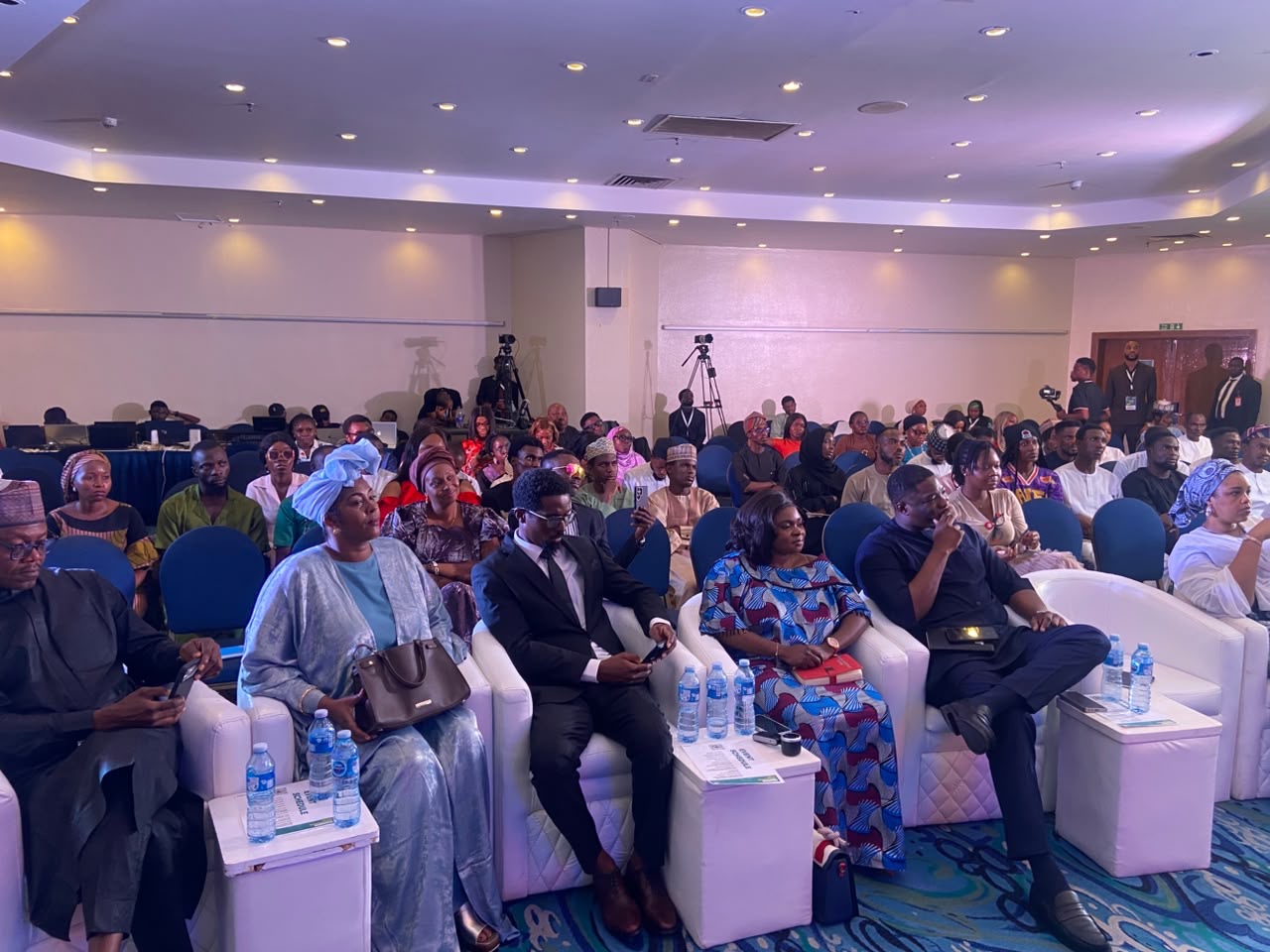
In a recent gathering in Abuja, industry leaders gathered to address a pressing national issue affecting economic growth, corporate survival, and governance structures. The event focused on why numerous enterprises and institutions vanish shortly after their founders step down or pass away.
During the second edition of the National Discourse organized by the My Gore Mentoring Club, speakers dissected the root causes behind these institutional failures. They emphasized that sustainable growth requires deliberate efforts to groom younger leaders and build resilient operational frameworks.
The discussions highlighted critical deficiencies in corporate governance, political continuity, and knowledge transfer across generations, according to information published by The Sun Nigeria.
Why Nigerian businesses fail after founders exit
Delivering the keynote address, Dr Sam Amadi, Director of the Abuja School of Social and Political Thoughts, stated that the major challenge is the failure to build institutions around enduring visions. He contrasted local entities with global giants like Toyota, Ford, and the MacArthur Foundation, which have thrived for decades through effective adaptation.
Amadi explained that sustainable succession requires rigorous thinking, capacity building, and deliberate mentorship. He noted that many organizations lack a strong vision rooted in value addition, preventing younger generations from taking those enterprises to higher levels.
The role of political leadership and mentorship
Shifting focus to governance, Amadi argued that Nigeria's problem is not the age of its leaders, but the absence of integrity and commitment to national development. He criticized some politicians for turning mentorship into the recruitment of political thugs rather than empowering competent youths.
Echoing these sentiments, Mervon Samuel Jr, convener of the My Gore Mentoring Club, stated that life is a relay where founders must pass the baton to capable successors. He criticized successive governments for abandoning projects initiated by predecessors, resulting in massive public resource wastage.
Overcoming character flaws in leadership succession
Addressing the generational divide, businesswoman and community leader Zainab Bello identified poor character and a lack of humility as major obstacles. She stressed that young people must demonstrate discipline and a willingness to learn to earn the trust of older leaders.
Bello also challenged older political leaders for deliberately denying youths opportunities to assume leadership roles and make mistakes. Furthermore, she advocated for greater female participation in politics ahead of the 2027 general elections, urging political parties to remove cultural and religious barriers.
Impact of the My Gore Mentoring Club
The discourse also showcased grassroots efforts to bridge the leadership gap through organized training programs. Samuel disclosed that the My Gore Mentoring Club has successfully trained nearly 40,000 people, while expanding its active membership to about 8,500 individuals.
Organizers stressed that bringing these conversations to the national level is essential for altering how business owners and political actors view legacy. By identifying and mentoring capable successors instead of hoarding knowledge, leaders can ensure long-term stability.
Frequently Asked Questions
Why do Nigerian businesses collapse after founders exit?
Many Nigerian businesses collapse because founders fail to establish clear succession plans, build resilient institutions, or transfer knowledge effectively to younger generations, according to experts at the Abuja discourse.
What did Dr Sam Amadi say about leadership in Nigeria?
Dr Sam Amadi stated that Nigeria's major challenge is the failure to build institutions around enduring visions, adding that true mentorship requires integrity, capacity building, and knowledge transfer rather than recruiting political thugs.
How many people has the My Gore Mentoring Club trained?
The My Gore Mentoring Club has trained nearly 40,000 people and grown its membership to about 8,500 individuals as part of efforts to bridge the leadership and mentorship gap in Nigeria.
What solutions were proposed for better political and business succession?
Experts recommended deliberate mentorship, fostering good character and humility among youths, passing leadership batons while founders are still alive, and allowing women and younger generations greater opportunities to lead.
