
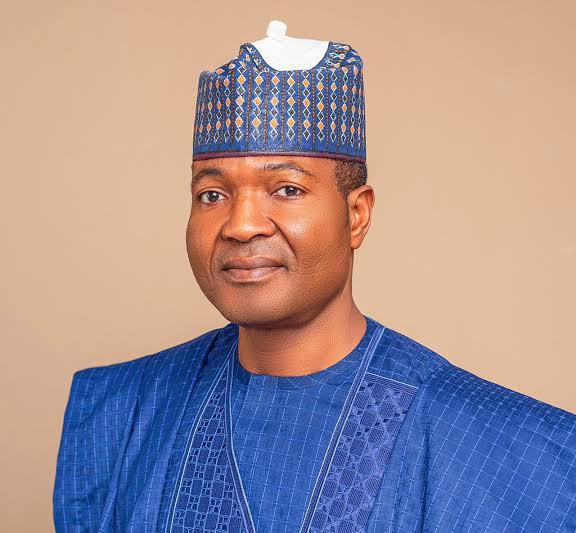
Voice of Nigeria expands its global language bouquet to nine, incorporating Mandarin in 2026.
Nigeria has officially added Mandarin to its international broadcast bouquet, marking a deliberate strategic move to project Africa's unique perspective to the Chinese-speaking world. This initiative aims to strengthen cultural diplomacy and enhance international understanding between nations, according to information published by The Sun Nigeria.
The announcement was made by the Director-General of Voice of Nigeria, Mallam Jibrin Baba Ndace, during the 82nd General Assembly of the Broadcasting Organisations of Nigeria held in Calabar. Ndace detailed how the public broadcaster continues to evolve its global reach to connect diverse populations with African narratives.
Originating as the External Service of the Nigerian Broadcasting Corporation before gaining autonomy in the early 1990s, the network now delivers content across multiple linguistic platforms. The multilingual approach underscores Nigeria's rich cultural diversity and reinforces the fundamental power of localized storytelling.
Expansion of Voice of Nigeria Languages
Voice of Nigeria has steadily grown its linguistic capacity to reach global audiences effectively. Mallam Jibrin Baba Ndace confirmed that the external service now broadcasts in a total of nine distinct languages, reflecting a comprehensive strategy for global engagement.
The current broadcast lineup includes English, Hausa, Igbo, Yoruba, Fulfulde, and Kiswahili, alongside French and Arabic. The upcoming addition of Mandarin in 2026 is designed to bridge cultural gaps and connect Nigeria directly with Chinese-speaking communities worldwide.
Strategic Role of Cultural Diplomacy
Broadcasting serves as a vital instrument for international understanding and cultural diplomacy. By integrating Mandarin into its programming, the network ensures that African stories are told authentically in languages that target audiences easily understand and identify with.
Mallam Jibrin Baba Ndace emphasized that while the organization shares Nigeria's stories with the international community, it remains firmly dedicated to promoting national unity, sustainable development, peace, and a positive national image abroad.
Broadcasting Organisations of Nigeria Assembly
The disclosure was a major highlight at the 82nd General Assembly of the Broadcasting Organisations of Nigeria. Industry leaders gathered in the city of Calabar to discuss the future of media under the overarching theme of democratic and economic advancement.
During the event, leadership discussions also addressed critical operational challenges facing the sector, including power crises and soaring diesel costs forcing radio and television stations to shut down. Stakeholders called for enhanced collaboration, innovation, and high professional standards.
Frequently Asked Questions
Why did Nigeria add Mandarin to its broadcast languages?
Nigeria added Mandarin to project Africa's perspective to the Chinese-speaking world and strengthen cultural diplomacy, according to Voice of Nigeria Director-General Mallam Jibrin Baba Ndace.How many languages does Voice of Nigeria broadcast in?
Voice of Nigeria broadcasts in nine languages, which include English, Hausa, Igbo, Yoruba, Fulfulde, Kiswahili, French, Arabic, and Mandarin.
Where was the announcement about Mandarin broadcasting made?
The announcement was made by Mallam Jibrin Baba Ndace in Calabar during the 82nd General Assembly of the Broadcasting Organisations of Nigeria.
What is the history of Voice of Nigeria?
Voice of Nigeria started as the External Service of the Nigerian Broadcasting Corporation before eventually becoming an autonomous broadcasting entity in the early 1990s.
