
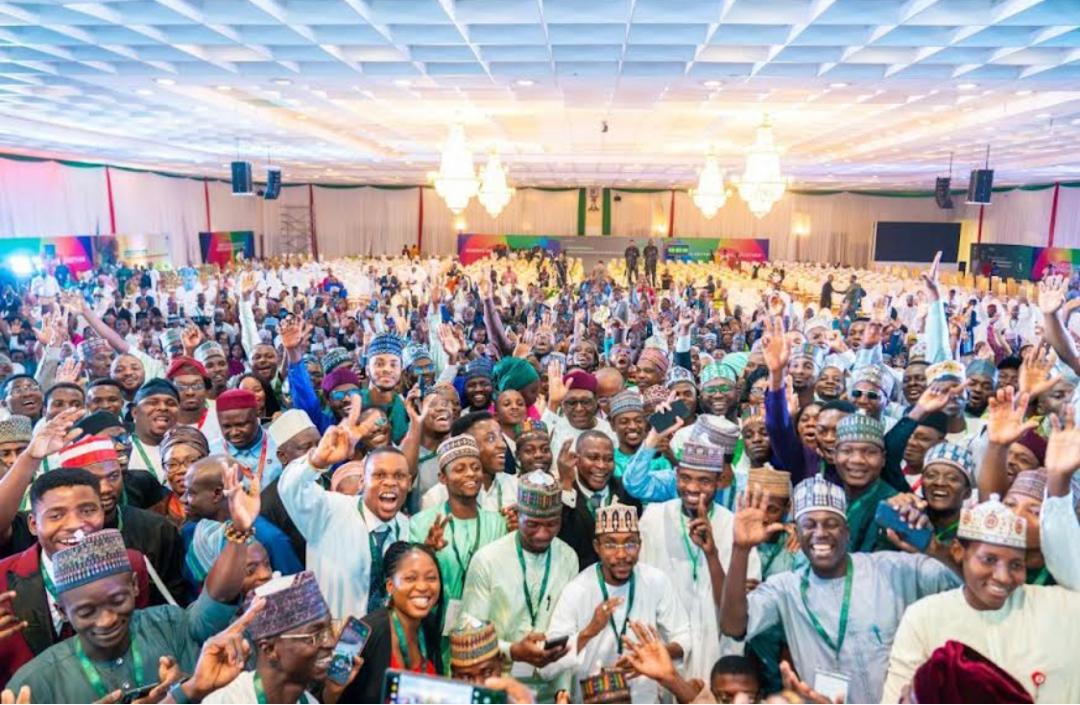
How the National Health Fellows Programme empowers young Nigerians to transform community healthcare delivery nationwide.
The Federal Government of Nigeria is spearheading a major transformation in grassroots public health through the National Health Fellows Programme. Established by the government in 2025, the initiative engages young professionals in tackling community health challenges.
The 12-month fellowship combines intensive training, mentorship, and hands-on experience to equip participants with the skills needed to improve primary healthcare delivery. Fellows work directly within underserved communities to develop practical solutions, according to information published by The Sun Nigeria.
Dr. Ashiru Adamu Abubakar, Technical Assistant to the Coordinating Minister of Health and Social Welfare on Sector-wide Approach, praised the initiative. He noted that young Nigerians are successfully translating their skills into practical solutions that improve community health outcomes.
Tackling Infrastructure Gaps in Primary Healthcare
Across Nigeria, fellows are addressing critical infrastructure gaps to ensure better medical service delivery. In Gboko and Goniri, Borno State, participants are working on vital projects, including solar-powered vaccine storage and cholera prevention initiatives.
Other regions are witnessing similar targeted interventions aimed at modernizing health centers. In Idumuje-Unor, Delta State, a fellow drove a solar power project, while in Iyame, Ondo State, advocacy efforts focused on revitalizing a primary health center with medical equipment.
Additional infrastructure improvements include laboratory upgrades in Akwa Ibom State and a new waiting shelter with solar streetlights in Oke-Agogo, Oyo State. These projects significantly enhance the overall environment for patients visiting local clinics.
Promoting Disease Prevention and Public Health Education
Beyond physical infrastructure, the fellows are actively implementing public health education campaigns. In Jos South, participants support tuberculosis referral efforts to connect vulnerable patients with appropriate medical care.
Meanwhile, fellows in Essien Udim, Akwa Ibom State, focus heavily on screening for non-communicable diseases. These proactive measures help communities address health risks before they escalate into severe medical emergencies.
Abubakar Hamza, one of the participating fellows, highlighted the profound personal and professional impact of the initiative. He explained that the program strengthened his leadership, teamwork, and problem-solving skills while improving local healthcare delivery.
National Reach and Future Outlook
The National Health Fellows Programme has achieved remarkable reach since its inception, receiving over 400,000 applications across two distinct cohorts. These aspiring health leaders have deployed targeted interventions across more than 700 communities.
The initiative continues to mobilize young Nigerians to address localized health challenges and contribute to stronger primary healthcare delivery nationwide. As the current phase approaches its conclusion, the program leaves a lasting legacy of grassroots medical transformation.
Frequently Asked Questions
What is the National Health Fellows Programme in Nigeria?
Established by the Federal Government in 2025, the National Health Fellows Programme engages young Nigerians in identifying public health challenges and developing practical solutions for primary healthcare delivery.
How long does the National Health Fellows Programme last?
The initiative operates as a 12-month fellowship that combines professional training, mentorship, and hands-on community experience for young participants.
What kind of projects do the fellows execute in communities?
Fellows handle diverse projects ranging from solar-powered vaccine storage and laboratory upgrades to disease prevention, health education, and non-communicable disease screenings.
How many communities have benefited from the NHF programme?
The programme has successfully deployed targeted health interventions across more than 700 communities throughout Nigeria, drawing over 400,000 applications across two cohorts.
