
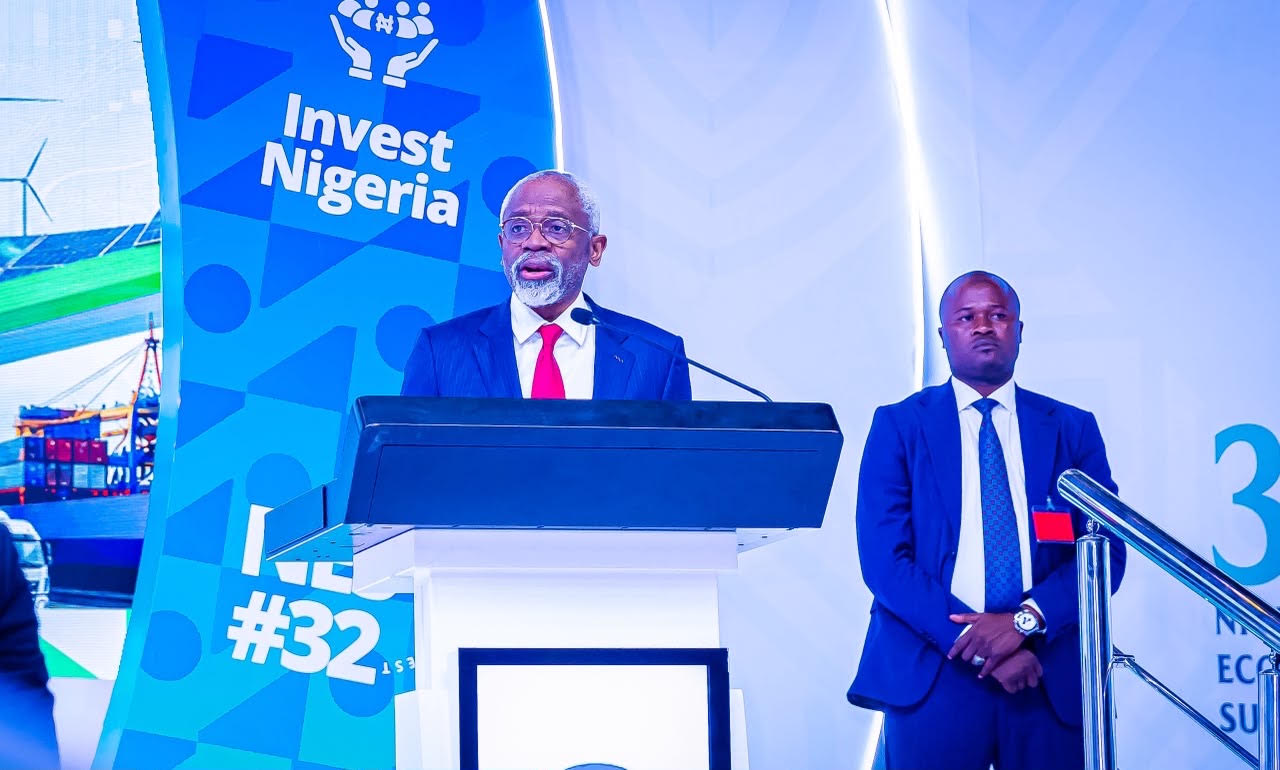
The Presidency aims to build strict safeguards into the proposed state police system to prevent political and private capture.
The Nigerian Presidency has pledged to build strict safeguards into the country's proposed state police system. The goal is to prevent state governors from using the security outfit against their political opponents.
Chief of Staff to the President, Femi Gbajabiamila, delivered this message during the 32nd Nigerian Economic Summit held at the Transcorp Hilton in Abuja. He warned that inadequate funding could also expose security officers to dangerous manipulation by private interests.
The comprehensive policy framework addresses critical concerns about decentralized policing, according to information published by The Sun Nigeria.
National Policing Bill and Enforceable Limits
Gbajabiamila explained that the proposed National Policing Bill will provide enforceable limits on police powers. It will also establish independent oversight and mechanisms for legal redress to protect citizens against official abuse.
While speaking during a plenary session on security and economic resilience, he stressed that a citizen entitlement to protection cannot depend on political affiliation or geographical origin. The reform aims to keep the service fully accountable to the law.
Financial Readiness and Funding Sustainability
The Presidency issued a stern warning that states seeking to establish their own police services must demonstrate clear financial capacity. Inability to pay salaries or fund operations leaves officers vulnerable to improper influence.
Gbajabiamila noted that public funding must remain dependable. Contributions from the organized private sector must never purchase influence over ongoing investigations or secure preferential treatment for wealthy donors.
Constitutional Amendment and Legislative Progress
Providing an update on the security reform, Gbajabiamila disclosed that 24 State Houses of Assembly had approved the necessary constitutional amendment by October 23, surpassing the required two-thirds threshold.
The Presidential Working Group also submitted the draft policing bill and 29 consequential amendment bills to the Federal Ministry of Justice. The proposals will soon reach President Bola Tinubu before heading to the National Assembly.
Frequently Asked Questions
What is the purpose of the proposed National Policing Bill in Nigeria?
The bill provides enforceable limits on police powers, independent oversight, and mechanisms for redress to protect citizens from political abuse as Nigeria moves toward decentralized state police.
Who leads the Presidential Working Group on the National Policing Bill?
Femi Gbajabiamila, the Chief of Staff to President Bola Tinubu, chairs the working group overseeing the constitutional amendment and legislative framework.
How many states have approved the constitutional amendment for state police?
As of October 23, 24 State Houses of Assembly have approved the constitutional amendment providing for state police, successfully meeting the required two-thirds threshold.
What safeguards are being implemented against private sector funding?
The framework ensures business involvement is governed by transparent financing, published accounts, and independent scrutiny so donations never purchase influence over investigations.
