
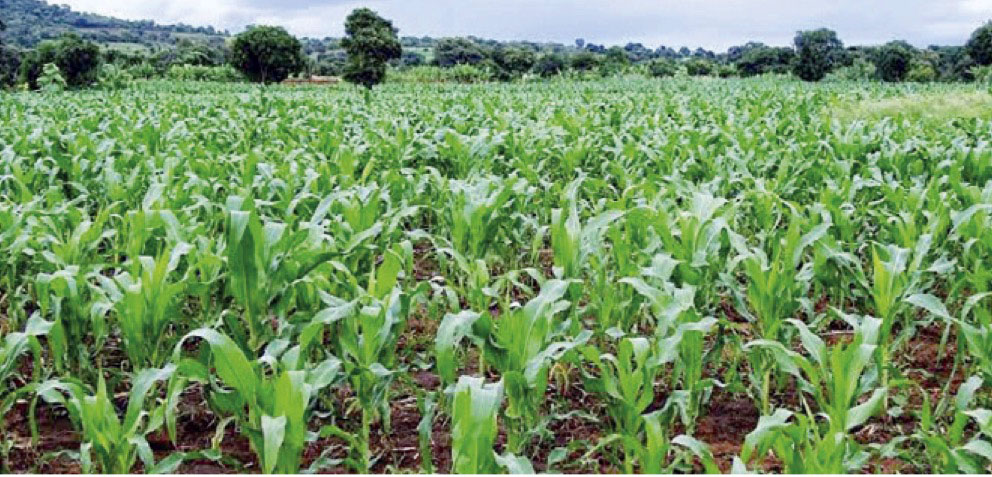
Rising fertilizer prices and diversion cartels threaten agricultural output across Nigeria despite federal intervention programs.
Nigerian smallholder farmers are facing severe challenges in agricultural production due to skyrocketing input costs and alleged diversion rings, according to information published by The Sun Nigeria.
The current crisis is driven by a ferocious cartel involved in the redirection of subsidised supplies, leaving vulnerable cultivators struggling to prepare their farmlands for the upcoming planting season.
While the federal administration rolls out nationwide relief initiatives, soaring market rates and opaque distribution channels continue to threaten household food security throughout the country.
Soaring Input Costs and Market Pressures
A 50-kilogramme bag of fertilizer that previously sold for N20,000 to N30,000 now costs between N45,000 and N50,000 in parts of the Federal Capital Territory, Abuja.
This steep price surge forces cash-strapped farmers to cultivate smaller portions of land, apply inadequate amounts of nutrients, or abandon their expansion plans altogether.
Higher production expenses inevitably translate into increased market prices for harvested crops, placing an additional financial burden on households dealing with a high cost of living.
Federal Intervention and Distribution Challenges
The National Agricultural Development Fund launched the Renewed Hope Farm Input Support Programme to assist vulnerable producers, but access remains plagued by complaints of political interference.
Vice President Kashim Shettima recently flagged off the nationwide distribution of 515,720 bags of urea and NPK fertilizers to 128,930 smallholder farmers across 25 states and the FCT.
Despite official distribution figures, critics note that successful delivery must be assessed at the farm level to ensure inputs reach verified beneficiaries rather than commercial resellers.
Regional Allocations and North-West Strategy
In the North-West region, 25,200 farmers across Kaduna, Kano, Katsina, Kebbi, and Jigawa states were slated to receive 100,800 bags under the federal support initiative.
NADF Executive Secretary Mohammed Ibrahim stated that each participating state received 20,160 bags, with locally produced items clearly marked as not for sale to deter diversion.
Furthermore, authorities announced plans to deploy over 1,800 extension advisory workers to guide recipients on proper application techniques and maximize agricultural yields.
Frequently Asked Questions
Why are fertilizer prices rising in Nigeria?
Fertilizer prices have surged due to inflation, production expenses, and the activities of alleged diversion cartels intercepting subsidised supplies meant for vulnerable agricultural workers.
How many bags of fertilizer are being distributed by the federal government?
Vice President Kashim Shettima flagged off the nationwide distribution of 515,720 bags of urea and NPK fertilizers to 128,930 smallholder farmers across 25 states and the Federal Capital Territory.
Who qualifies for the Renewed Hope Farm Input Support Programme?
The program targets smallholder farmers cultivating less than 0.5 hectares of land, with beneficiaries identified through state governments and the All Farmers Association of Nigeria.
What role do extension workers play in the agricultural intervention?
More than 1,800 extension advisory workers are deployed nationwide to provide technical guidance on proper fertilizer application, ensuring optimal crop yields and preventing resource waste.
