
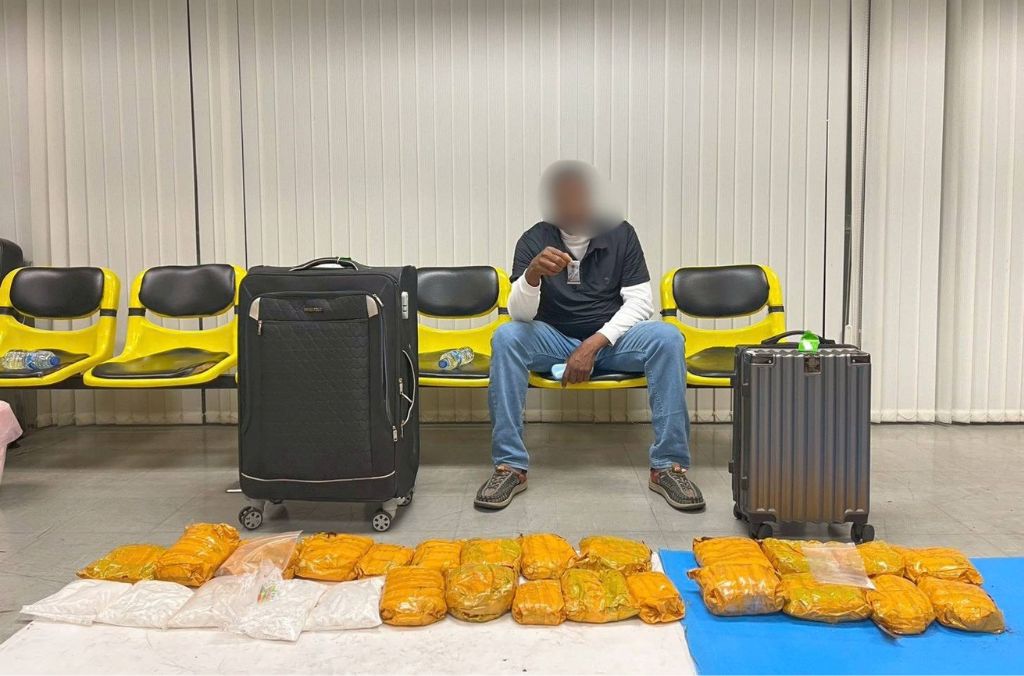
Global police operation intercepts synthetic drugs and precursors capable of producing 86.9 million fatal doses.
INTERPOL has announced a massive transnational crackdown targeting the synthetic drug market, resulting in the seizure of 650 tonnes of illegal substances. The global police body stated that the intercepted drugs and pharmaceutical precursors were capable of producing 89.6 million fatal doses worldwide.
The large-scale initiative, codenamed Operation Lionfish-Mayag IV, took place between May 18 and June 4, 2026. The operation involved 7,247 separate seizures with an estimated total street value exceeding 1.1 billion US dollars across multiple international jurisdictions.
Seventeen countries participated in the coordinated effort to target drug manufacturing and supply chains in Southeast Asia, transit corridors, and consumer markets, according to information published by The Sun Nigeria.
Southeast Asia and the Mekong Epicentre
Intelligence gathered during the operation confirms that Southeast Asia, particularly the Mekong region, remains the primary epicentre of global synthetic drug manufacturing. Authorities in Myanmar recorded the operation's single largest individual seizure, intercepting 10.6 million Ya Ba tablets.
Ya Ba is a dangerous mixture of methamphetamine and caffeine. Meanwhile, Indonesia reported seizing 1,975 litres of etomidate, an anaesthetic that has increasingly emerged across Asian markets as a recreational drug consumed through vaping devices.
Ketamine Surpasses Methamphetamine in Volume
For the first time in an INTERPOL operation targeting synthetic drugs, ketamine overtook methamphetamine in total volume. Authorities seized 17 tonnes of ketamine, representing about 40 percent of the total estimated value of the entire operation.
David Caunter, Director of Organized and Emerging Crime at INTERPOL, noted that the surge in ketamine seizures and vape-based drugs shows how rapidly the synthetic drug trade is evolving across international borders.
Fentanyl and Deadly Opioid Burdens
Although opioids comprised a smaller fraction of the total seizure volume at 7.3 tonnes, they carried a vastly disproportionate share of the fatal dose burden. Fentanyl alone accounted for an alarming 63.7 million fatal doses.
Malaysia recorded a major milestone during the raids by dismantling an active, fully equipped laboratory producing fentanyl. Authorities seized chemical precursors alongside finished liquid and powder fentanyl in the country's first operation of its kind.
New Smuggling Routes and Vape Hallucinogens
Law enforcement agencies in Australia and the United States intercepted large volumes of low-weight parcels disguised through false customs declarations. European postal supply chains are increasingly used as secondary repackaging hubs for international trafficking.
Police authorities also recorded 724 kilograms of dimethyltryptamine, known as DMT, representing the largest quantity of the hallucinogen ever reported in a police operation. The liquid substance was intended for vaping, indicating a developing market in novel hallucinogens.
Frequently Asked Questions
What was Operation Lionfish-Mayag IV?
Operation Lionfish-Mayag IV was a transnational INTERPOL-led police initiative conducted between May 18 and June 4, 2026, targeting global synthetic drug manufacturing and supply chains.
Which countries participated in the INTERPOL drug crackdown?
Seventeen countries participated, including Australia, Cambodia, China, Czechia, Indonesia, Japan, Korea, Laos, Malaysia, Myanmar, the Netherlands, New Zealand, the Philippines, Singapore, Thailand, the United States, and Vietnam.
Why did ketamine stand out in this global drug operation?
For the first time in an INTERPOL operation, ketamine overtook methamphetamine in volume, with 17 tonnes seized due to a global rise in non-medical use and easier manufacturing processes.
How many fatal doses were prevented by the drug seizures?
INTERPOL seized drugs, precursors, and pharmaceutical products capable of producing approximately 89.6 million fatal doses, including 63.7 million potential deaths linked specifically to fentanyl.
