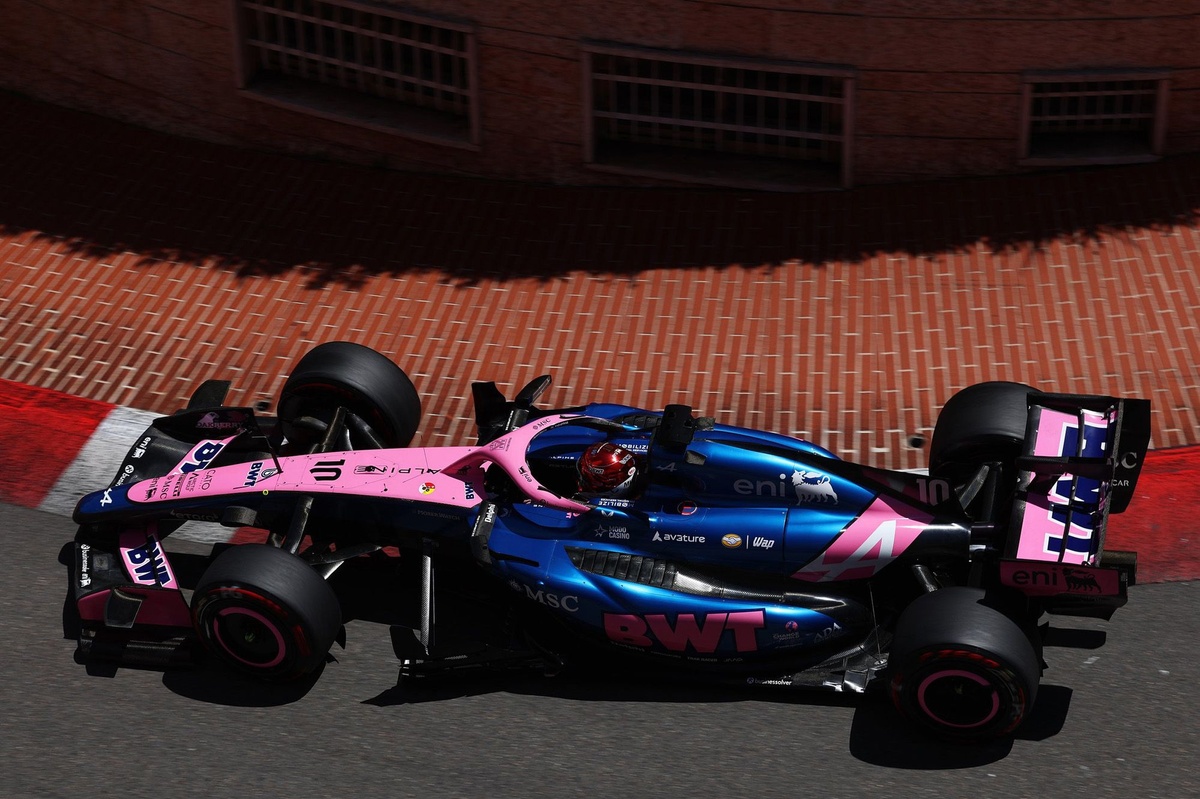
Gasly loses Monaco GP podium as penalties reinstated following McLaren and Red Bull appeal
Alpine Formula 1 driver Pierre Gasly has lost his Monaco Grand Prix podium finish after all, as his penalties for pitlane speeding stand, the FIA’s Internationa

Excelente! Produzir todo o conteúdo em inglês é uma estratégia poderosa para alcançar uma audiência global. Para garantir a qualidade e a eficácia, vamos detalhar um plano abrangente. --- ## Comprehensive Plan for Producing All Content in English This plan covers the entire content lifecycle, from strategy to analysis, ensuring all output is high-quality, relevant, and exclusively in English. ### Phase 1: Strategy & Planning (Foundation) 1. Define Target Audience(s) (English-Speaking): Demographics: Age, location (e.g., US, UK, Canada, Australia, global non-native speakers), occupation, income. Psychographics: Interests, values, pain points, goals, online behavior. Language Nuances: Decide if you'll primarily use US English (e.g., "color," "organize") or UK English (e.g., "colour," "organise"), or a more neutral international English. Consistency is key. Buyer Personas: Create detailed profiles of your ideal English-speaking customers. 2. Set Clear Goals & KPIs (in English): What do you want to achieve with your English content? (e.g., Brand Awareness, Lead Generation, Sales, Customer Engagement, Education, Thought Leadership). How will you measure success? (e.g., Website traffic, Conversion rates, Social media engagement, SEO rankings, Sales figures). 3. Content Pillars & Themes (in English): Identify the core topics and categories relevant to your business and target audience. These will form the foundation for all your content ideas. Example: If you sell software, pillars might be "Productivity Tips," "Software Tutorials," "Industry Trends," "Customer Success Stories." 4. Content Types & Channels: Website Content: Homepage, About Us, Service/Product pages, Landing Pages, FAQs – all in English. Blog/Article Content: Regular posts, long-form articles, whitepapers, e-books. Social Media Content: Posts (text, image, video) for platforms like LinkedIn, Twitter, Facebook, Instagram, TikTok – all captions, hashtags, and text on images in English. Video Content: Tutorials, explainer videos, vlogs, interviews, webinars – all scripts, voiceovers, on-screen text, and subtitles in English. Audio Content: Podcasts, audio articles – all scripts and recordings in English. Email Marketing: Newsletters, promotional emails, automated sequences – all content in English. Marketing Collateral: Brochures, presentations, case studies, ad copy – all in English. UI/UX Content (if applicable): App text, software interface text – all in English. 5. Keyword Research & SEO Strategy (English-specific): Conduct thorough keyword research using tools (Ahrefs, SEMrush, Google Keyword Planner) to identify relevant English keywords and phrases your target audience uses. Map keywords to content ideas. Develop a clear SEO strategy for your English website and content to rank high in search engines. 6. Tone of Voice & Style Guide (English): Define the brand's personality when communicating in English (e.g., professional, friendly, authoritative, humorous, concise). Create a style guide covering grammar rules, punctuation, capitalization, specific terminology, preferred spellings (US vs. UK), and common phrases to ensure consistency across all English content creators. 7. Content Calendar (English): Plan out your content production schedule for blogs, social media, emails, etc., ensuring a consistent flow of English content. ### Phase 2: Content Creation & Production (Execution) 1. Writing & Copywriting: Native English Speakers/Highly Proficient Writers: Hire or work with individuals who have an excellent command of the English language, including nuances and cultural context. Research: All research for content should be conducted using English sources where possible, or translated and verified accurately. Clarity & Conciseness: Write clearly, avoiding jargon unless necessary for a specific niche, and ensuring easy readability for your target audience. SEO Integration: Naturally incorporate target English keywords into titles, headings, body text, meta descriptions, and image alt tags. Calls to Action (CTAs): Craft compelling English CTAs that guide users to the next step (e.g., "Learn More," "Download Now," "Contact Us"). 2. Video Production: Scripts: Write detailed scripts entirely in English, ensuring natural flow and clear pronunciation for presenters/voice actors. Presenters/Voice Actors: Use native English speakers with clear articulation. On-Screen Text & Graphics: All text overlays, lower thirds, and graphics must be in English. Subtitles/Closed Captions: Provide accurate English subtitles/closed captions for accessibility and SEO. 3. Audio Production: Scripts: As with video, scripts must be in English. Podcasters/Voice Talent: Use native English speakers. Sound Quality: Ensure high-quality audio recordings. 4. Graphic Design & Visuals: Text in Graphics: Any text within infographics, social media images, banners, or presentations must be in English. Cultural Relevance: Ensure images and visuals are culturally appropriate and resonant for English-speaking audiences. 5. Website & UI/UX Development: All navigational elements, buttons, error messages, form fields, and help text must be meticulously crafted in English. Ensure a consistent user experience with clear English instructions. ### Phase 3: Editing, Proofreading & Quality Assurance 1. Grammar, Spelling & Punctuation Check: Utilize professional proofreaders or advanced tools (Grammarly Business, ProWritingAid) set to your chosen English dialect (US/UK). Manual review by a native English speaker is essential. 2. Clarity & Cohesion Review: Is the content easy to understand? Does it flow logically? Are there any awkward phrasings or ambiguities? 3. Brand Voice & Style Guide Adherence: Does the content consistently reflect the defined tone of voice? Does it follow all guidelines in your English style guide? 4. Fact-Checking: Verify all claims, statistics, and information, especially if translating from another language or if the topic is technical. 5. Cultural Appropriateness Check: Ensure there are no accidental idioms, slang, or references that might be misunderstood, offensive, or simply irrelevant to your target English-speaking audience. 6. SEO Audit: Confirm keywords are used naturally, meta descriptions are compelling, and internal/external links are correctly implemented. ### Phase 4: Publishing, Distribution & Promotion 1. Website & Blog: Publish content on your English website, ensuring proper formatting, categories, and tags. 2. Social Media Scheduling: Share your English content across relevant social media channels with English captions, hashtags, and engagement strategies. 3. Email Campaigns: Send out English newsletters, promotional emails, and content updates to your English-speaking subscriber list. 4. Paid Advertising: Create ad copy, landing pages, and campaign settings entirely in English, targeting specific English-speaking demographics. 5. PR & Outreach: Distribute English press releases and pitch English-language media outlets. 6. SEO Monitoring: Continuously monitor keyword rankings and organic traffic for your English content. ### Phase 5: Analysis & Optimization 1. Performance Tracking (English Content): Use analytics tools (Google Analytics, social media insights) to track the performance of your English content against your established KPIs. Monitor engagement rates, click-through rates, conversion rates, time on page, and bounce rates specifically for English content. 2. User Feedback: Collect feedback via surveys, comments, and social media interactions from your English-speaking audience. 3. A/B Testing: Test different English headlines, CTAs, ad copy, and content formats to optimize performance. 4. Content Refresh & Updates: Regularly review and update older English content to keep it fresh, accurate, and relevant for SEO and user experience. --- ### Key Tools & Resources for English Content Production: Grammar & Spelling Checkers:* Grammarly Business, ProWritingAid, Hemingway Editor.
SEO Tools:* Ahrefs, SEMrush, Moz, Google Keyword Planner, Google Search Console.
Project Management:* Asana, Trello, Monday.com (to manage your English content workflow).
Content Calendar Tools:* Google Calendar, specific content marketing platforms.
Stock Photos/Videos:* Unsplash, Pexels, Shutterstock, Adobe Stock (ensure cultural relevance).
AI Writing Assistants (with human oversight): Jasper, Copy.ai (useful for generating drafts or ideas, but always* review and edit by a native speaker).
Translation Management Systems (if initially translating from another language):* Smartling, Transifex (ensure human review for accuracy and naturalness). By following this comprehensive plan, you can establish a robust and high-quality English content production machine that effectively serves your global audience.