
Kentucky appeals judge denies NCAA request to block 30 college athletes from competing as the basketball season begins.
A Kentucky Court of Appeals judge has denied emergency relief to the National Collegiate Athletic Association, leaving 30 college athletes eligible to compete as the basketball season draws near, according to information published by bleache.
Kentucky judge Sara Walter Combs issued the decision on Friday, ruling that a panel of three judges will consider the governing body's request, while allowing the athletes to play under a previous temporary injunction granted on October 16.
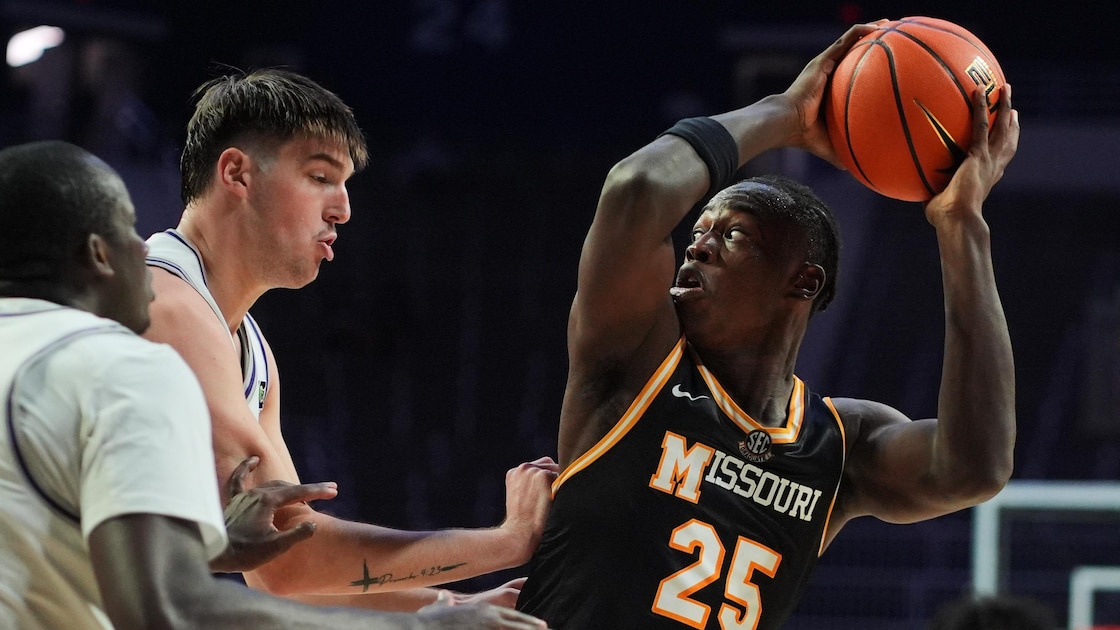
The legal battle involves prominent players such as Missouri basketball guard Mark Mitchell and LSU guard Skyy Clark, who are part of a larger group challenging the organization's new eligibility model regarding the 2022 high school graduating class, according to information published by bleache.
Court Ruling Details and Legal Background
Judge Sara Walter Combs wrote in her decision that the NCAA failed to prove that the injunction created imminent, ruinous, and incalculable injury, and that it serves no purpose to flip-flop repeatedly as courts work through underlying issues.
The temporary ruling allows basketball players to begin their seasons next week, while also permitting football players like Alex Afari Jr. of Kentucky, Thomas Castellanos of Texas Tech, and Louisville players Jabari Mack and Kalib Perry to continue competing.
Impact on College Basketball and Football Seasons
Multiple lawsuits filed in several states focus on the five-for-five eligibility model, which allows athletes five years of eligibility beginning when an athlete turns 19 or graduates from high school, whichever is earliest.
However, the implementation excluded athletes who began college careers during the 2022-23 season and completed four years, prompting legal action from players seeking to participate in a final season of college sports.
Ohio Supreme Court Decision and NCAA Response
The Kentucky ruling came one day after the Ohio Supreme Court kept in place a ruling allowing two dozen players involved in a similar case to remain available for their teams, including Xavier guard Filip Borovicanin.
The legal office of the NCAA sent a memo to its members stating it was deeply disappointed by the outcome in Ohio, emphasizing that every minute played by an ineligible player deprives opportunities from eligible student-athletes.
Frequently Asked Questions
Why did the Kentucky judge deny the NCAA request?
Judge Sara Walter Combs ruled that the NCAA failed to prove the injunction caused imminent, ruinous, and incalculable injury to the organization.
Which athletes are allowed to play under the ruling?
The ruling allows 30 college athletes, including Missouri basketball player Mark Mitchell and LSU guard Skyy Clark, to continue competing temporarily.
What is the NCAA five-for-five eligibility model?
The model grants athletes five years of eligibility starting when they turn 19 or graduate from high school, though it initially excluded certain athletes from the 2022 graduating class.
How did the NCAA respond to the court decisions?
The NCAA expressed deep disappointment through a memo to its members, arguing that ineligible players provide an unfair competitive advantage.
