
How Premier League tacticians are reviving open-play crosses to challenge elite defences.
In a striking departure from modern tactical trends, Brighton and Liverpool executed a surprising pivot toward traditional crossing during recent Premier League fixtures. While modern football typically dismisses crosses as low-percentage, these two clubs embraced the strategy to exploit specific defensive vulnerabilities.
The tactical shift saw both teams deliberately target the penalty box with high-frequency balls from open play and set pieces. By flooding the area, Brighton and Liverpool successfully disrupted structured defensive setups and generated chaotic moments in the final third, according to information published by FF2 Futebol.
This unconventional approach by modern managers highlights a potential shift in tactical fashion across English football. As elite clubs constantly seek new ways to unlock stubborn defences, the humble cross may be staging an unexpected comeback in the top flight.
Liverpool and Arsenal Crossing Statistics
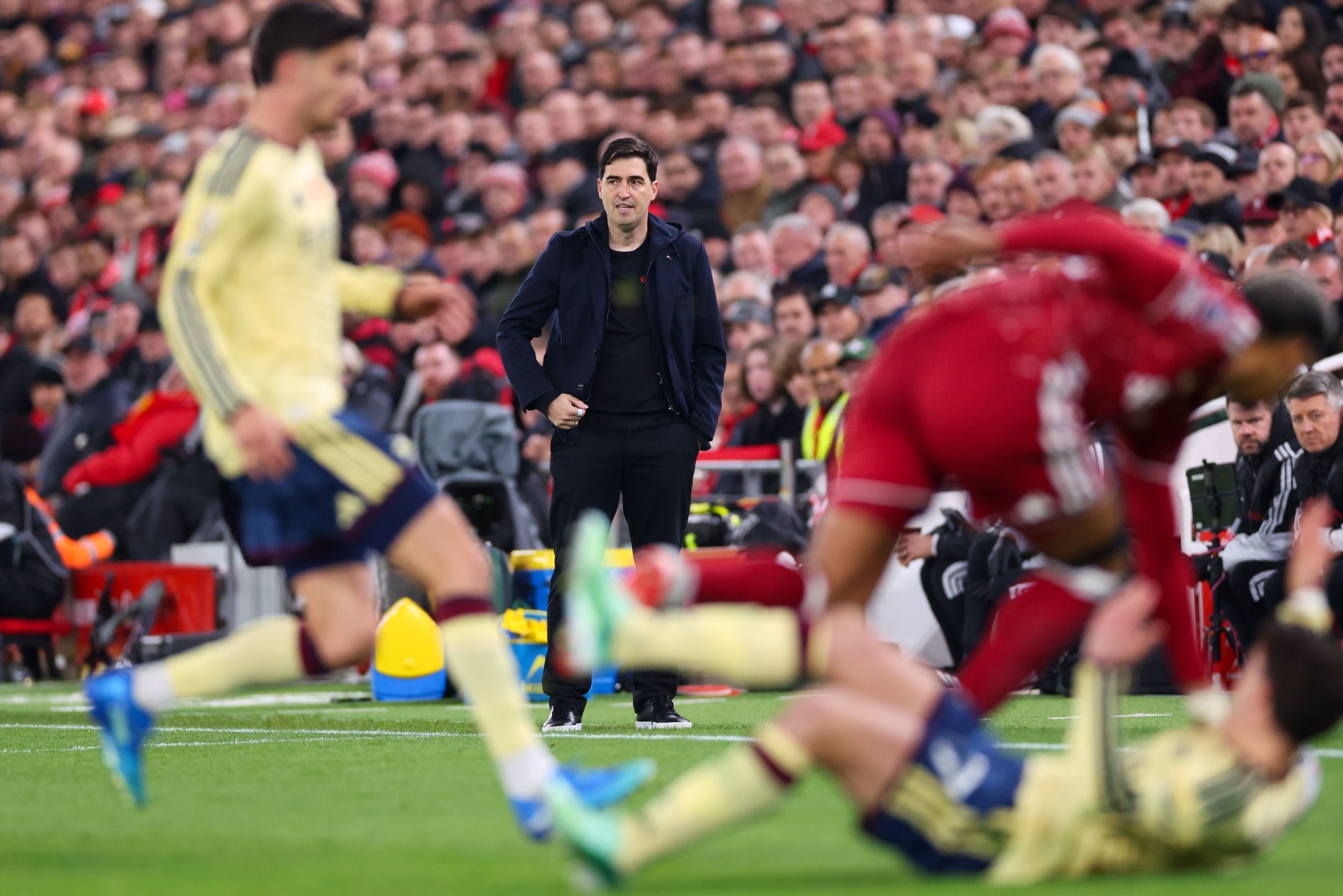
Liverpool recorded 12 open-play crosses in the first half against Arsenal, marking the highest tally managed against Mikel Arteta's side since November 2020. By the 42nd minute, Alex Mac Allister nearly scored from a header following their 19th total cross of the match.
This aggressive output represented a massive surge for Arne Slot's side, nearly quadrupling the five crosses they attempted during their entire previous fixture against Brighton. The strategy consistently pinned Arsenal deep into their own penalty area.
Fabian Hurzeler and Brighton Tactical Plan
Brighton secured a 2-0 victory over Manchester City by implementing a clear tactical plan to switch the play frequently. Manager Fabian Hurzeler utilized long diagonals aimed directly at his very wide wingers to exploit space.
Hurzeler correctly identified Manchester City's makeshift full-backs as a primary weak spot during the match. This deliberate exploitation of wide areas directly contributed to Brighton scoring the crucial winning goal.
Creating Chaos in the Penalty Box
Despite different initial motivations, both Liverpool and Brighton achieved the exact same disruptive end result. Both managers understood that delivering balls into the box would sew immediate chaos among opposition defenders.
Brighton ultimately secured their winner through a deflected half-clearance resulting from the pressure. Meanwhile, Arsenal defenders were forced onto the back foot, leading to panicked clearances and loose second balls inside the box.
The Revival of Unfashionable Tactics
Crossing has increasingly become a rarer sight among ambitious, attack-minded teams who favour aesthetic passing combinations. However, the recent weekend performances prove that fundamental pressure still troubles elite defences.
As manager Andoni Iraola aptly noted, putting opponents under pressure inside the box yields results. Arsenal found themselves uncomfortable and pushed deep into their own territory, proving that unfashionable ideas can still deliver success.
Frequently Asked Questions
Why did Liverpool and Brighton start crossing more often?
Liverpool and Brighton pivoted to crossing to exploit specific defensive weaknesses and sew chaos inside the penalty box against elite opponents like Arsenal and Manchester City.
How many crosses did Liverpool make against Arsenal?
Liverpool registered 12 open-play crosses in the first half alone and reached 19 total crosses by the 42nd minute of the match.
How did Brighton defeat Manchester City tactically?
Brighton manager Fabian Hurzeler used long diagonal switches of play to target wide wingers against Manchester City's makeshift full-backs, leading directly to the winning goal.
Is crossing returning as a Premier League trend?
While historically viewed as unfashionable, the recent tactical pivots by Liverpool and Brighton suggest that ambitious teams may start embracing open-play crosses again to pressure defences.
