
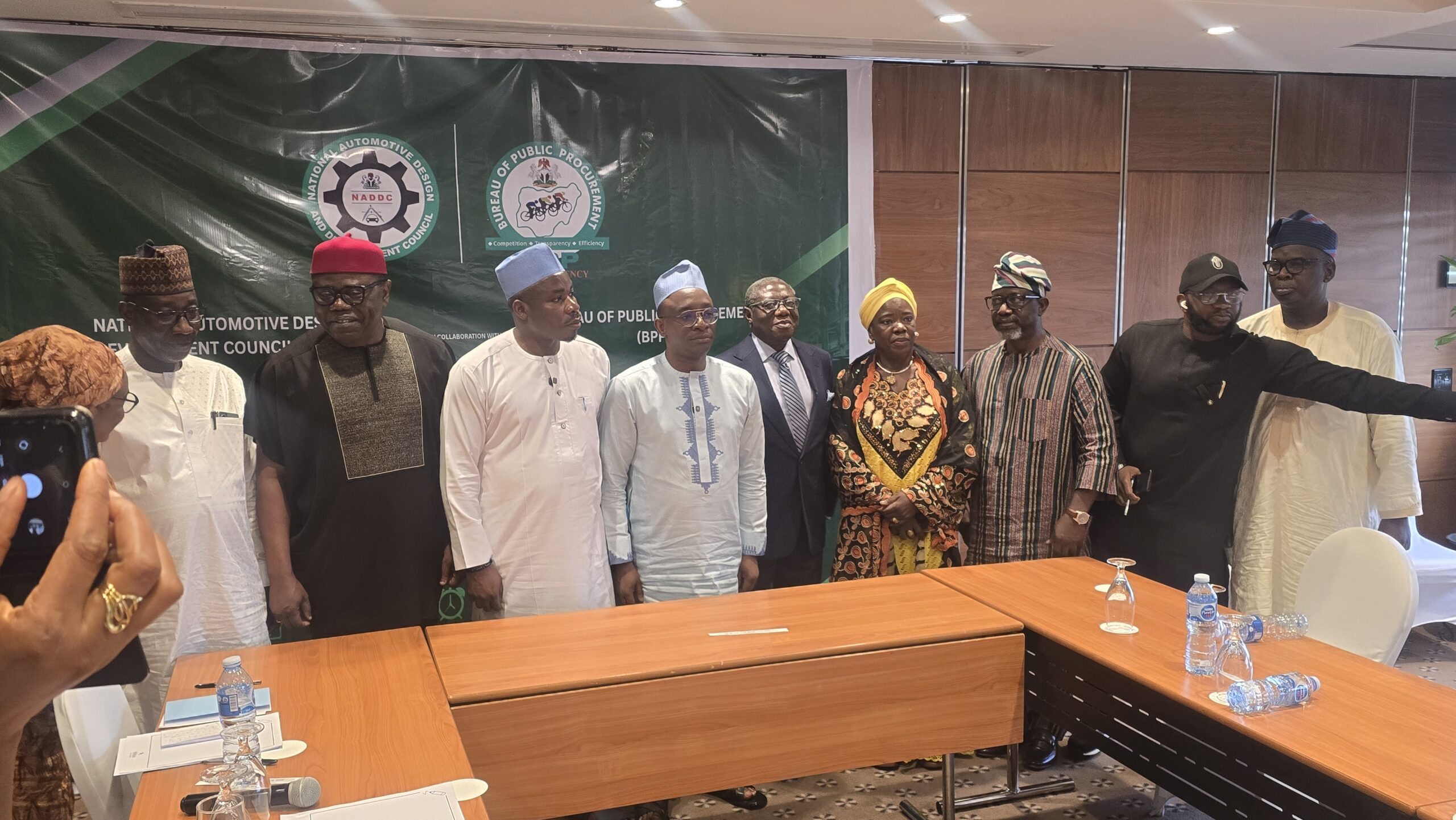
Nigerian government agencies face strict prosecution risks for buying foreign vehicles without BPP and NADDC approval.
Ministries, Departments and Agencies in Abuja face potential prosecution if they procure vehicles from suppliers failing to comply with the Federal Government local automotive assembly policy. The Bureau of Public Procurement announced this strict warning during a joint press conference held on Friday.
The policy aims to boost domestic vehicle assembly, create jobs, and conserve vital foreign exchange by stimulating local manufacturing through targeted government procurement frameworks. Agencies bypassing these legal channels risk severe legal consequences, according to information published by The Sun Nigeria.
BPP Director-General Dr. Adebowale Adesanya and NADDC Director-General Oluwemimo Joseph Osanipin spearheaded the briefing. Both officials emphasized that government patronage must directly support domestic industrial growth and reduce heavy reliance on imported automobiles.
Strict Procurement Rules for Government Agencies
Dr. Adebowale Adesanya stated that the bureau will not issue a no-objection certificate for vehicle purchases involving manufacturers or suppliers failing to meet National Automotive Design and Development Council specifications. Government agencies must obtain necessary approvals before procuring any vehicles.
Oluwemimo Joseph Osanipin explained that agencies must purchase vehicles from licensed local assemblers or authorized retailers. Any entity seeking to procure a foreign-assembled vehicle must establish that no suitable domestic alternative exists and obtain proper presidential clearance.
The council maintains an updated register of compliant assemblers, verifying production facilities and after-sales service arrangements. Furthermore, all supplied vehicles must feature traceable Vehicle Identification Numbers verified directly by the council.
Boosting Local Production and Economic Growth
Nigeria currently maintains an installed vehicle assembly capacity of 370,520 units annually. The government actively seeks to progressively increase domestic production to meet 70 percent of the country total vehicle needs.
Dr. Adebowale Adesanya noted that the policy already produces encouraging results, citing a procurement instance where a locally assembled vehicle cost about half the price paid previously. Predictable government patronage encourages heavy investment and lowers unit costs.
The government also encourages strategic partnerships between Nigerian firms and established foreign manufacturers to bridge technical gaps. Discussions are ongoing with universities and polytechnics to successfully commercialize automotive research and prototypes.
Enforcement and Anti-Corruption Oversight
A joint monitoring and evaluation mechanism now tracks vehicle purchases across all government agencies. Anti-corruption bodies, including the Economic and Financial Crimes Commission and the Independent Corrupt Practices Commission, have actively requested procurement records.
Oluwemimo Joseph Osanipin assured the public that the Standards Organisation of Nigeria will enforce strict quality, safety, and environmental standards. Journalists are also urged to scrutinize vehicle purchases and request official approval records.
Frequently Asked Questions
Why are MDAs facing prosecution for vehicle purchases?
Ministries, Departments and Agencies risk prosecution if they purchase foreign vehicles without obtaining required approvals and bypassing the local automotive assembly policy overseen by the Bureau of Public Procurement.
What is the role of the NADDC in government vehicle procurement?
The National Automotive Design and Development Council verifies technical specifications, maintains a register of compliant local assemblers, checks Vehicle Identification Numbers, and enforces quality standards.
What approvals are needed to buy a foreign vehicle?
An agency must prove that no suitable domestic alternative exists and obtain official presidential clearance alongside a BPP no-objection certificate.
Which anti-corruption agencies are monitoring MDA vehicle purchases?
The Economic and Financial Crimes Commission and the Independent Corrupt Practices and Other Related Offences Commission are monitoring compliance by requesting procurement records from the BPP.
