
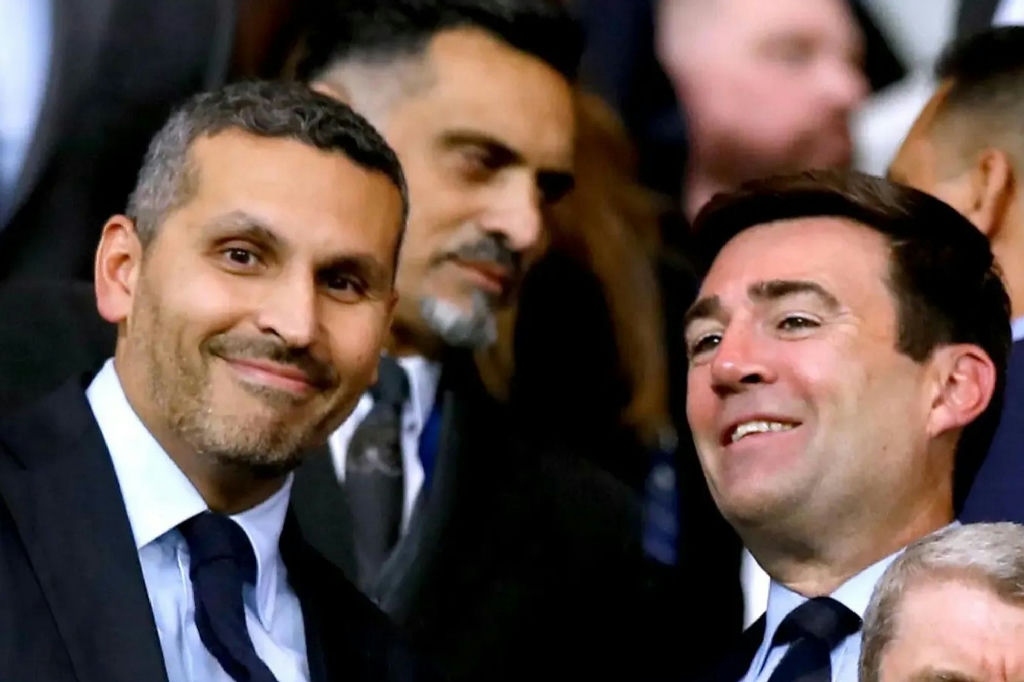
Andy Burnham faces backlash over Manchester City ownership comments
British Prime Minister Andy Burnham has faced significant political pressure and public criticism after expressing a desire to retain the current owners of Manchester City. The comments, made amid the club's ongoing legal battle regarding over 100 alleged financial rule breaches, drew accusations of political interference in the governance of English football.
Political fallout and public criticism
The Prime Minister’s initial remarks, in which he stated he would be “really concerned” to lose the club’s owners, the Abu Dhabi United Group, sparked immediate controversy. Critics, including members of the opposition, argued that such statements could undermine the independence of football regulatory bodies tasked with determining if the club’s ownership model remains “fit and proper.”
Shadow Sports Minister Louie French described the intervention as “extraordinary,” suggesting that the Prime Minister appeared to prioritize diplomatic and investment ties over the integrity of the sport. Reform Treasury spokesperson Robert Jenrick echoed these concerns, questioning whether the government was siding with the club's owners despite the severity of the allegations brought forward by the Premier League.
Following the backlash, Number 10 issued a clarification, emphasizing that the process is independent and must be allowed to run its course. A spokesperson stated that wherever wrongdoing is established, those responsible should face appropriate consequences, and that no club or owner is above the rules.
Financial allegations and potential criminal scrutiny
The controversy coincides with a report from Tax Policy Associates, led by tax expert Dan Neidle, which suggests Manchester City could face a tax penalty of up to £24 million. The investigation centers on alleged “sham” consultancy contracts, including payments made to former manager Roberto Mancini. The report notes that such falsification of accounting documents could theoretically lead to criminal investigations.
While Manchester City has consistently denied any wrongdoing and maintains it possesses “irrefutable evidence” of its innocence, the legal landscape is further complicated by the status of club chairman Khaldoon Al Mubarak. Reports indicate that Al Mubarak, a senior member of the Abu Dhabi government, holds diplomatic immunity in the UK, which could pose significant challenges for any potential criminal or civil proceedings.
The role of investment in Manchester
The tension highlights the complex relationship between the club’s ownership and the city of Manchester. During his tenure as mayor, Andy Burnham fostered close ties with the Abu Dhabi United Group, frequently praising their substantial investments in local infrastructure, including housing projects and the Co-Op Live venue. Critics argue these historical ties have influenced the Prime Minister’s current stance, with some observers suggesting that the club is viewed by some as “too big to fail” due to its economic impact on the region.
As the Premier League case continues, the focus remains on whether the newly empowered independent football regulator can navigate these high-stakes issues without succumbing to political pressure. The outcome of the appeal process, which the club is expected to pursue, will likely serve as a definitive test for the future of football governance in the United Kingdom.
For further details on the regulatory framework, visit the Premier League official website.
