
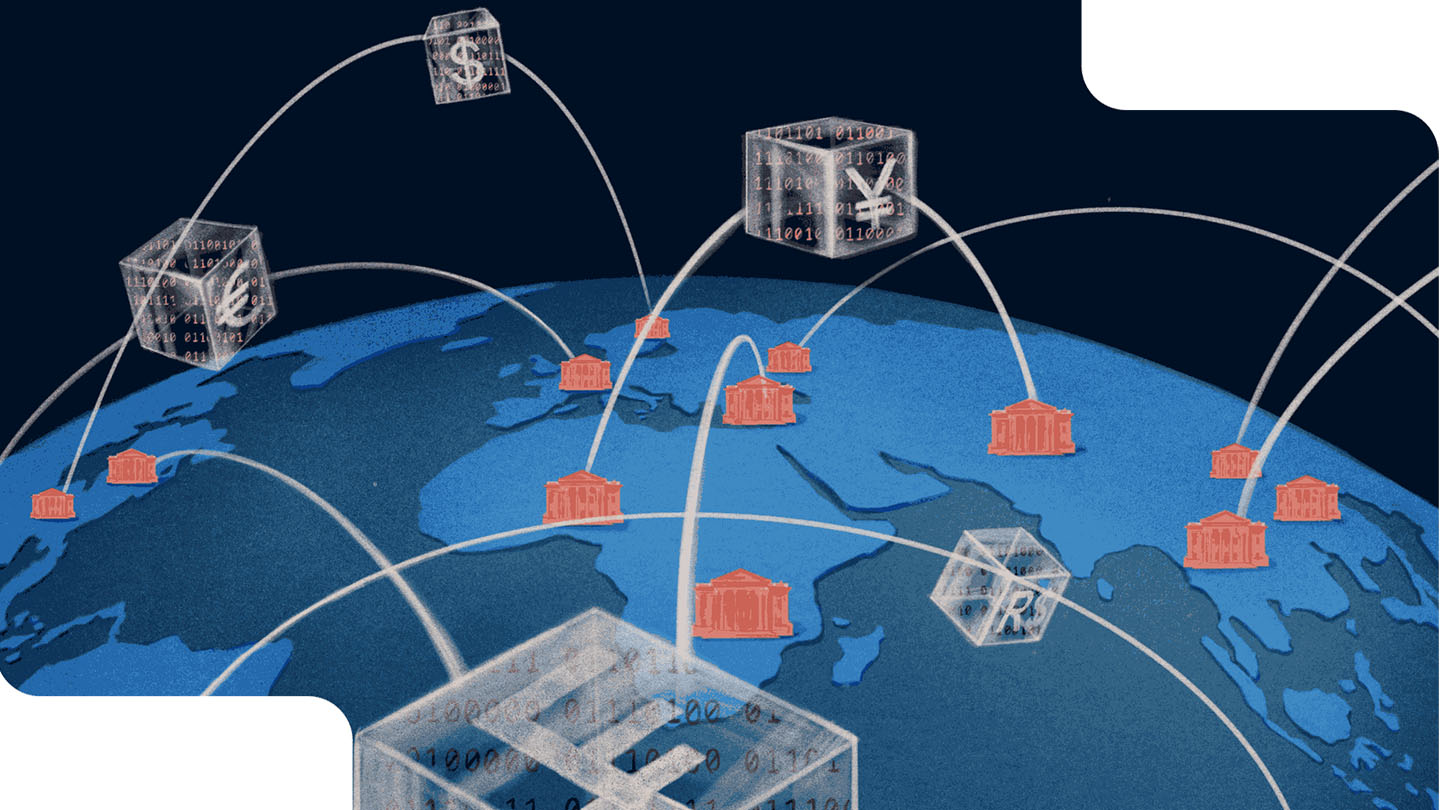
Expanding instant digital payment systems to non-bank providers is vital for African financial inclusion.
Africa must expand its instant and digital payment systems far beyond traditional commercial banks to achieve true financial inclusion across the continent. According to a recent media training session in Kenya, experts emphasize that millions of underserved citizens rely entirely on alternative financial institutions for their daily transactions.
John Muthiora, a Technical Payment Specialist at the AfricaNenda Foundation, delivered this critical message during a specialized workshop in Nairobi. He explained that building an interconnected ecosystem requires integrating diverse regulated providers to reach every corner of society, according to information published by The Sun Nigeria.
The push aims to connect millions of unbanked and underbanked individuals by incorporating non-traditional institutions into a single, unified digital framework. This strategy ensures that even remote populations can participate seamlessly in the modern digital economy without facing traditional banking barriers.
Why Non-Bank Financial Providers Matter
Muthiora stressed that an inclusive instant payment system should never be designed exclusively around traditional banks. Millions of Africans currently access financial services through mobile money operators, microfinance institutions, savings and credit cooperative organizations, and licensed fintechs.
These regulated entities, collectively known as Digital Financial Service Providers, play a pivotal role in rural and low-income communities. If a citizen relies solely on a rural savings and credit cooperative or a mobile wallet, the national payment infrastructure must include them natively.
Overcoming Barriers With Basic Phones and Interoperability
Designing payment infrastructure exclusively for smartphone users actively excludes vast segments of the population. Muthiora warned that relying solely on smartphones leaves out communities where basic feature phones, limited electricity, and unreliable internet access remain everyday realities.
Furthermore, interoperability is critical to eliminate fragmented systems where institutions maintain separate liquidity pools. An integrated infrastructure allows customers to transfer money effortlessly between different providers without forcing users to maintain multiple accounts or incur high operational costs.
Digitizing Government and Cross-Border Payments
Government payments represent a massive use case for instant payment systems because authorities collect taxes, pay civil servants, and disburse funds to citizens. Digitizing these workflows eliminates the high costs and severe inefficiencies of handling physical cash in remote regions.
Cross-border trade also faces major hurdles as micro, small, and medium-sized enterprises struggle when operating across African borders. Interoperable systems can resolve these friction points, helping traders move funds efficiently while lowering the heavy cash handling costs incurred by central banks.
Four Pillars for Scaling Digital Payments
Countries seeking to build robust instant payment infrastructure must focus on four distinct pillars. Muthiora outlined these essential operational areas during the Nairobi workshop to guide policymakers and financial leaders toward successful ecosystem deployment.
- Regulatory and governance frameworks to establish a clear national vision and legal foundation.
- Technology infrastructure designed for scalability, security, and universal accessibility.
- Commercial and pricing structures that ensure affordability for everyday consumers.
- Operational readiness involving ecosystem assessment, rigorous testing, and phased launching.
Frequently Asked Questions
What is AfricaNenda and what is its goal for digital payments?
AfricaNenda is a foundation working to expand inclusive instant and digital payment systems across Africa. Its primary goal is to ensure that digital financial infrastructure reaches underserved populations by going beyond traditional banks to include mobile money operators, microfinance institutions, and fintechs.
Why are basic feature phones important for African financial inclusion?
Basic feature phones are crucial because smartphone ownership, reliable internet access, and electricity remain significant challenges in many rural and low-income African communities. Using channels like USSD ensures that payment systems do not exclude the majority of citizens.
What are the four key areas for building instant payment systems?
According to the AfricaNenda Foundation, countries must focus on regulatory and governance, technology, commercial and pricing structures, and operations to successfully build and scale instant payment systems.
